
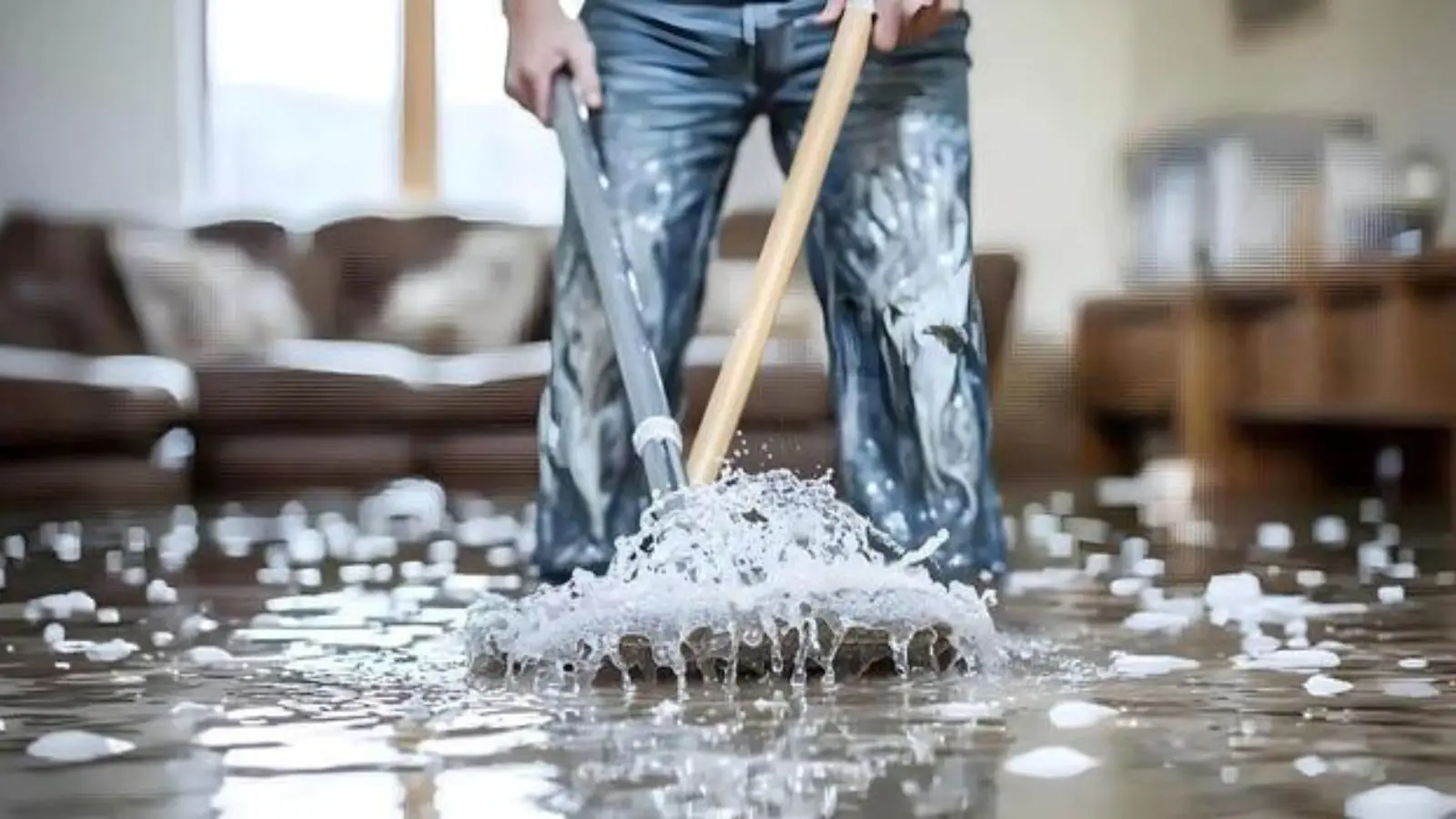
When cleanup is an emergency
Water damage cleanup in Fountain Valley is the stage after the water source is shut off and the standing water is gone. Wet drywall, soaked pad, damp contents and leftover grime are still in the home, and every hour they sit there raises the odds that more will have to be thrown out.
Treat it as urgent if the water was dirty, if it reached upholstered furniture or if it has been more than a day. The dispatch line is open around the clock, and same-day response is offered when a crew is available.
Water category decides the cleanup
Not all water is the same, and the category sets how much is removed and how it is treated.
| Category | Typical source | Cleanup response |
|---|---|---|
| Category 1 | Supply line, faucet or tub overflow | Dry and clean most materials, discard soaked pad quickly |
| Category 2 | Dishwasher, washing machine or toilet with urine only | Remove porous materials, clean and sanitize the rest |
| Category 3 | Sewage, river or storm flood water | Remove contaminated porous materials, disinfect, wear protective gear |
Clean water can turn into worse water if it sits. A category 1 leak left for days can be reclassified, which is why speed matters.
Belongings still sitting in water?
Move what you safely can and call (714) 515-1308 so cleanup can be scheduled.
What gets removed and what gets saved
The goal is to save what can be saved and remove what cannot, with the reasons written down.
Carpet and pad
Pad is usually removed after contaminated water. Clean-water carpet can often be dried in place.
Drywall and insulation
Cut out when soaked through or contaminated. Dry in place when only lightly damp.
Furniture and contents
Wood and metal can usually be cleaned. Upholstery after dirty water often cannot.
Cabinets and trim
Solid pieces are cleaned and dried. Swollen composite is taken out.
Sanitizing and odor control
Once wet debris is gone, surfaces are cleaned and treated with an antimicrobial product matched to the water category. Crews then deodorize the space so musty or sour smells do not linger.
Water category matters here too. The ANSI/IICRC S500 standard for water damage restoration describes how clean, grey and black water are handled differently, and it is why porous materials touched by contaminated water are usually discarded and not just wiped.
Odor that returns after a cleanup usually means a wet material was missed. That is why moisture readings are taken again before the job is called done.
If cleanup uncovers dark spotting on a wall or ceiling, the next step is mold remediation, which follows its own containment rules.
Document everything before it is discarded
Your insurer will ask what was damaged. A quick record now saves a long argument later.
A simple insurance record
- Photograph each room from the doorway, then close up on each damaged item.
- Record a short video that follows the water path from the source.
- List damaged belongings with brand, age and where you bought them if you remember.
- Keep one sample of removed carpet or drywall only if your adjuster asks.
- Save plumber, utility and repair paperwork in one folder.
Fountain Valley storms and drain capacity
Orange County Public Works notes that some areas outside the Santa Ana River flood zone can still flood when storm drains and channels cannot carry a heavy flow. For a homeowner, that means street water or a backed-up yard drain can reach a garage or entry even when the river is nowhere near.
If water came in from outside after a storm, treat it as dirty until a professional says otherwise. It is a good reason to move straight to cleanup instead of drying and hoping.
Homes close to the northern border in Westminster and eastern neighbors in Santa Ana share the same storm season and the same dispatch line.
What drives the cost of cleanup
We explain scope and price before work starts. These are the factors that decide it.
Water category
Dirtier water means more removal and stronger protection steps.
Rooms affected
Each additional room adds debris, cleaning and monitoring.
Contents involved
Contents cleaning and pack-out add labor and storage time.
Time since the loss
Items cleaned early are saved more often than items left for days.
Next steps
Drying, repair and mold work are scoped separately.
Sudden and accidental water damage is often covered by homeowners insurance, while gradual leaks and neglect often are not. Flood damage is usually excluded and needs separate flood coverage. Check your policy or ask your insurer. Want your real number? Call (714) 515-1308.
Frequently Asked Questions
Yes. The line is staffed 24 hours a day, every day. Tell the dispatcher what got wet and when, and you will be told what to do before a crew can reach you.
The sooner the better. Clean water left sitting more than a day or so becomes harder to clean, and dirty water is urgent from the start.
Often yes, especially wood, metal and hard goods that got clean water. Upholstery and particle board soaked in dirty water are usually discarded.
Deodorizing helps, but lasting odor usually means something wet is still hidden. Moisture readings find it.
No. Drying removes moisture from the structure and cleanup removes debris and contamination. Most jobs need both, and water mitigation covers the drying side.