
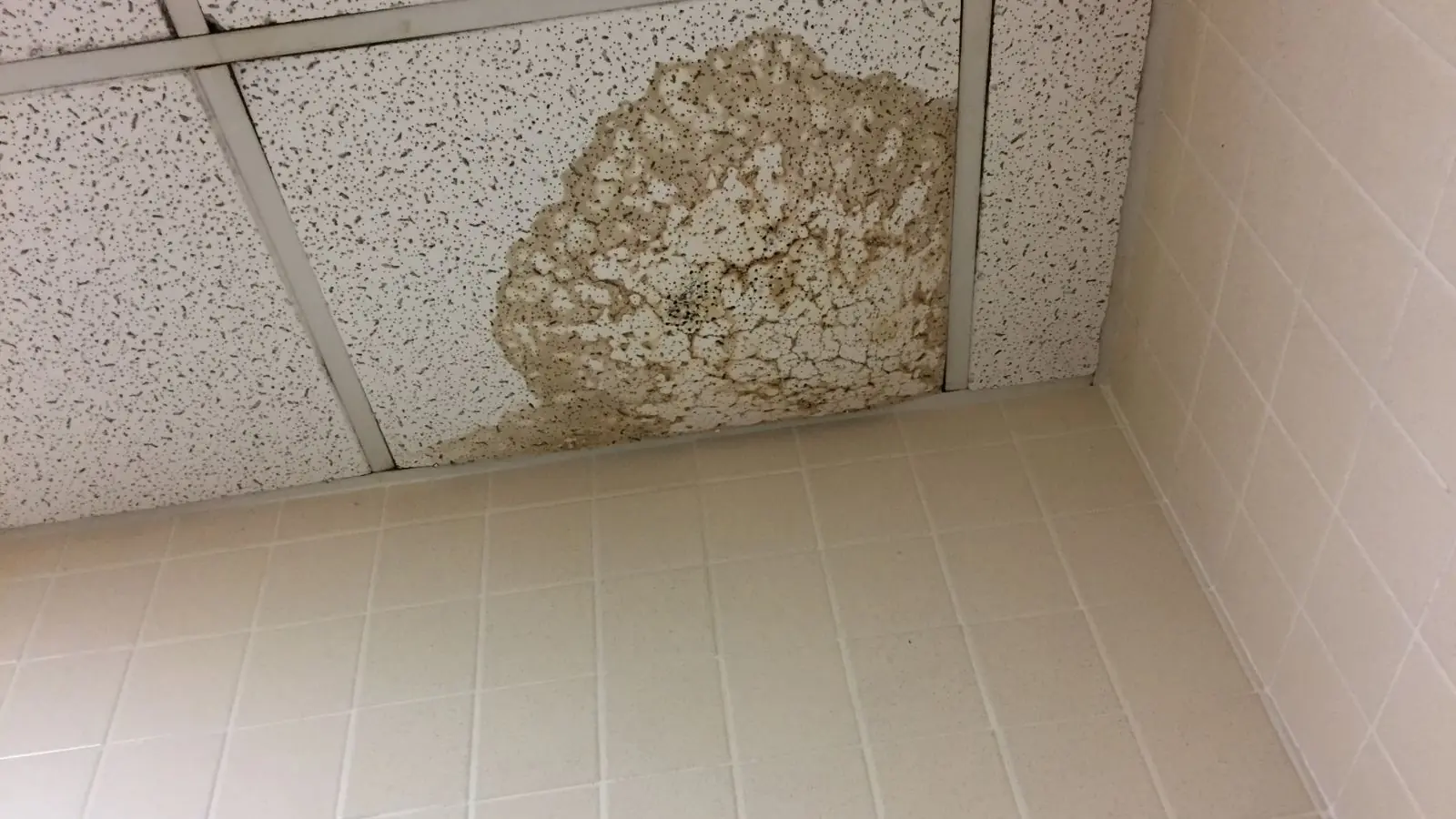
Where shower leaks start
Most shower leaks begin at one of four places: the valve behind the wall, the pan or liner under the tile, the drain connection, or failed grout and caulk. They look alike from the outside, which is why guessing wastes time.
A leak at the face of the tile is usually a nuisance. A leak at the pan or drain can send water into the subfloor and the ceiling below, and that is where the real damage happens.
Which part is failing, and how it shows
| Source | Typical signs | How it is confirmed |
|---|---|---|
| Valve or supply line | Moisture only when the shower runs, staining behind the wall | Pressure test and moisture mapping |
| Pan or liner | Damp floor outside the shower, ceiling stain below | Flood test with a plugged drain |
| Drain connection | Slow staining at the base, musty smell | Inspection and water test around the drain |
| Grout or caulk | Surface moisture, dark spots at corners | Visual check and dry test |
Water reaching other rooms?
Call (714) 515-1308 and describe where it is showing up.
How the leak gets traced
- 1
Dry test
Stop using the shower and watch whether readings fall.
- 2
Moisture mapping
Meters and a thermal camera outline the wet area.
- 3
Targeted test
Supply pressure or a drain flood test narrows the source.
- 4
Open the wall
A small opening confirms what is happening inside.
- 5
Plan the repair
The scope depends on what the water has already touched.
Tile off or spot repair?
If the leak is limited to grout and caulk and the wall behind is dry, regrouting and resealing may be enough. If the pan has failed, the tile usually has to come out so the liner can be repaired or replaced.
Wet drywall, insulation and subfloor are replaced after drying, in that order. A good plan avoids opening more than needed, but it does not leave wet material in place to save a few hours.
When the leak has already reached a floor or ceiling, our emergency water removal crews extract standing water and start drying, and the rebuild follows through water damage repair.
What to do today
- Stop using the shower until the source is found
- Shut off the water to the fixture if you can reach the valve
- Photograph ceiling stains, swollen trim and damp floors
- Turn off power to a wet room only if you can reach the panel dry
- Keep towels and fans going on surface moisture, not wall cavities
- Note any rise in your water bill
Ceiling below the shower? Treat it as urgent
If the bathroom sits above another room, a stain on that ceiling means water has already traveled through the subfloor. Drywall that holds water can sag, and a sagging ceiling is both a safety concern and a sign of larger saturation.
Stay out from under it, keep people and pets away, and call before attempting to poke it open. Water pooled above a ceiling near light fixtures also raises an electrical risk, so cut power to that circuit only if you can reach the panel dry.
A crew can check how far the moisture has spread with a thermal camera, which shows wet areas the eye cannot see.
A note on timing
Dry wood and drywall tolerate a short soaking. Materials that stay wet for long stretches swell, stain and, over time, support growth. The sooner readings start to fall, the smaller the final repair tends to be.
If you rent the home or live in a condo, tell the owner or association in writing the same day, because shared plumbing often sits behind walls you cannot open yourself.
Permits and water in Fountain Valley
Repairs to plumbing systems regulated by the code generally need a permit from the City of Fountain Valley Building Division, which also covers repairs to a building or structure. Its page does not say how this applies to a shower repair, so call the division before work starts and ask.
The city says about 60% of its supply is groundwater from the Lower Santa Ana River Groundwater Basin, 26% is imported and 14% is recycled water used mainly for irrigation. Whatever the source, a sudden jump in your own water bill is one of the better early clues that a leak is running behind a wall.
Sources: City of Fountain Valley Building Division, City of Fountain Valley water supply page
Neighboring towns, same problem
Shower leaks are one of the most common calls we take across the area. Homeowners in Garden Grove and Santa Ana describe the same pattern of a stain on the ceiling below and a small wet spot at the tub edge.
The earlier the source is found, the smaller the opening and the lower the repair scope.
Frequently Asked Questions
A damp surface dries once the shower stops. A leak keeps readings high, shows stains outside the shower, or raises your water bill.
Only if grout was the source. A failed pan, valve or drain needs a different repair, and new grout over a leak traps moisture.
Usually not. The scope follows the wet area, and moisture mapping helps limit demolition to what the water reached.
Sudden and accidental leaks are often covered, while slow leaks and neglect are often not. Check your policy and ask your insurer.
It issues permits for repairs to plumbing and other regulated systems. Call the division to ask whether your specific shower repair needs one.